On the first anniversary of Passover — one year after the Exodus from Egypt — the people were instructed to offer the Paschal Lamb sacrifice as they did in Egypt. This plan did not work out for everyone. Since some of the people were doing the holy work of dealing with the dead they had come into contact with human corpses, were ritually impure, and could not participate in this rite. As we read in Behalotecha, this week’s Torah portion :
Appearing that same day before Moshe and Aaron, those men said to them, “Unclean by reason of a corpse, why must we be denied from presenting the Lord’s offering at its set time with the rest of the Israelites?”
Numbers 9:6-7
Moshe asked them to wait while he asked God for the answer for their query. God’s response is Pesach Sheni. This is a holiday of sorts when those that were left out of the communal experience of Passover are invited back for a do-over.
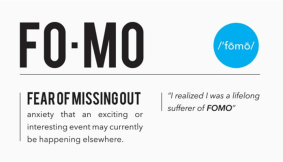
We jump from their question right to God’s answer: these Israelites were allowed to offer the Paschal Lamb sacrifice a month later. What the story doesn’t explore, however, are what motivated them to approach Moshe and Aaron with their question in the first place. What were their emotions while waiting for an answer? Surely, it must have been painful for them to be denied this central communal experience. These Israelites were “essential workers” who were caring for their community. They were being excluded and clearly yearned to be part of the group. It could be argued that this was the original case of FOMO (fear of missing out).

The theme of “yearning” has always been poignant to me, and seems to take on particular resonance this year. Recently I saw an amazing TED Talk by Susan Cain on The Hidden Power of Sad Songs and Rainy Days. Totally worth watching:
Like the people who missed out on the Korban Pesach, we all have a yearning, but that is not the end of the story. The really wanted to belong. Susan Cain says:
So, remember, there’s light and there’s dark. And when the dark times come, and they will come, don’t be surprised, but ask yourself: What are you longing for? And follow your longing where it’s telling you to go. It’s pointing you in the direction of the sacred.
How do we connect to this yearning to find our direction. In that direction we will find ourselves in community with other people who share our desires. In the longing we find belonging.

 Said to Myself
Leave a comment