In Chukat Balak, this week’s Torah portion, Moshe teaching the laws of the Red Heifer, whose ashes purify a person who has been contaminated by contact with a dead body. There we read:
This is the ritual law that the Lord has commanded: Instruct the Israelite people to bring you a red cow, perfect, in which there is no defect and on which no yoke has been laid.
Numbers 19:2
What does perfect mean? Simply it means without blemish. Rashi comments:
[A COW] RED, PERFECT — This means that it should be perfect in respect to its redness (Sifrei Bamidbar 123:1), — so that if there are two black hairs in it (or two of any color other than red) it is unfitted for the rite here described (Mishnah Parah 2:5).
Rashi on Numbers 19:2
The entire enterprise of the Red Heifer is a means by which we are supposed to deal with the impurity of death. In the words of Benjamin Franklin, “Our new Constitution is now established, everything seems to promise it will be durable; but, in this world, nothing is certain except death and taxes” In this context , what do we make of the demand for a statistically improbable perfection as a response to inevitability of death? Is perfection, by design, out of reach?
Recently I read a food column in the New Yorker in which I learned a new word sonmat. In Korean sonmat translates as “handmade”. It identifies the ineffable quality of food that is made by hand. Even more specifically this implies that it was made by a lovingly careful hand such as a mother. The imperfection of it speaks to the care taken to make it by hand.
I was thinking about this all this week in the context of sitting Shiva for my mother who died last week. I loved and continue to love my mother deeply. The process of Shiva was amazing in that it reminded me of who she was before she got ill. In retrospect I can understand that she was truly wonderful in many many ways. And still I know that she was imperfect.
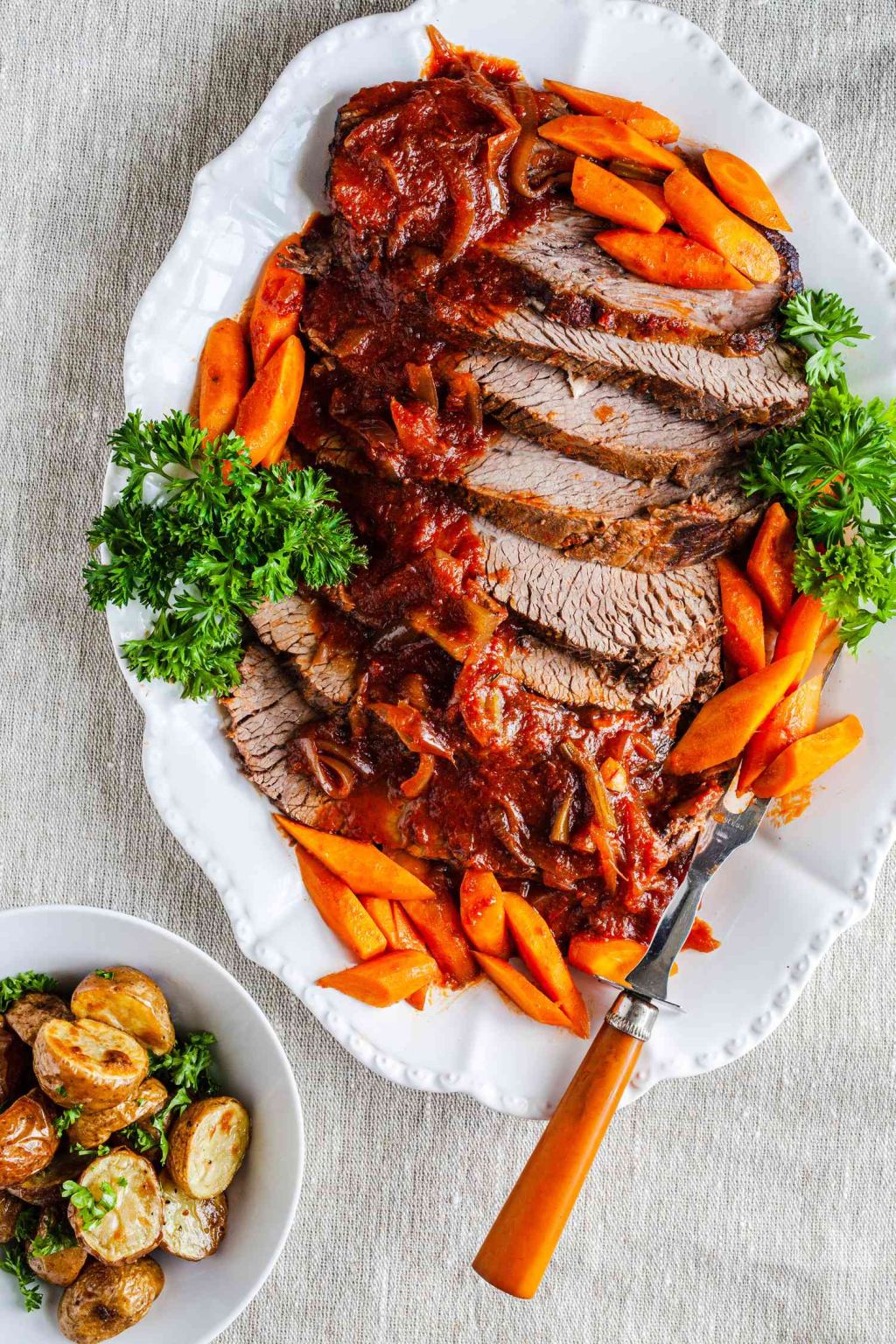
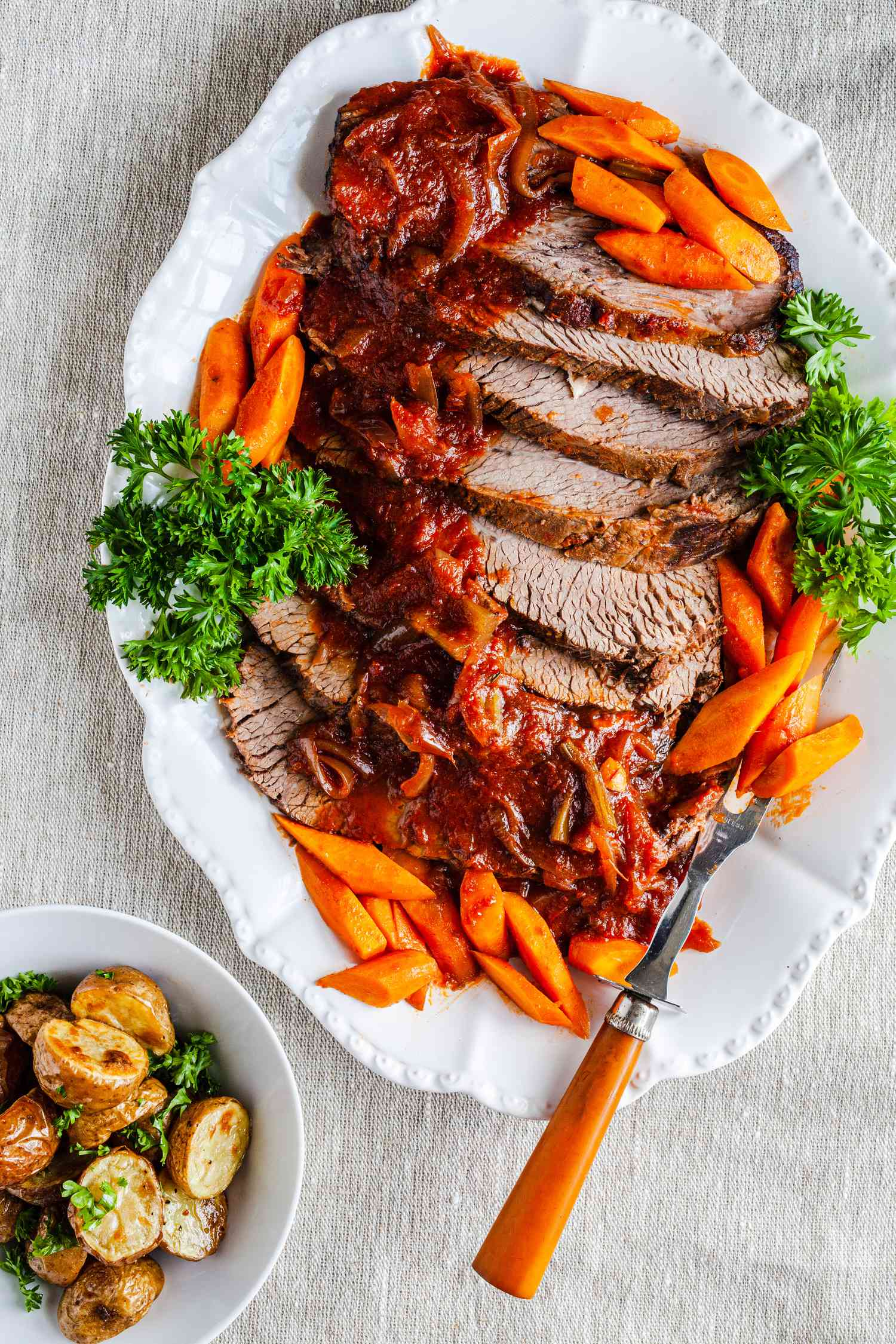
No one is perfect. In a profound way this realization might be a key to dealing with her death or even more generally with death. In his iconic “Anthem” Leonard Cohen sang, “There is a crack in everything, that’s how the light gets in.” This last week we shared many memories of my mom’s Shabbat, Yom Tov, and Thanksgiving meals. It was great to share so many memories of sonmat be it in the brisket, corned beef, or meatball varieties. It is through the cracks of our imperfection that the light of caring gets in.
You can cure someone from an illness, but not death. The very perfection of the Red Heifer as a way to deal with the impurity of death stands in juxtaposition to the messiness of living life and mortality. In allowing other people to have their cracks we can forgive ourselves for our own imperfections. In the process of sharing yummy imperfection we can allow more light to get in.
 Said to Myself
Leave a comment