I love the book Zoom by Istvan Banyai. It is a wordless picture book that is famous for its “pictures within pictures” that create a visual journey. It starts from a farm and zooms out to reveal a larger scene, only to zoom back in on a detail that becomes the focus of the next page. It’s known for its clever visual trickery, challenging perception, and is used in team-building activities for communication and problem-solving. You can see someone “reading it” here:
I was thinking of this yesterday when talking with my friend Shalom Orzach about Hukat Balak, this week’s Torah portion. There at the start of Balak we read:
Balak son of Zippor saw all that Israel had done to the Amorites. Moab was alarmed because that people was so numerous. Moab dreaded the Israelites, and Moab said to the elders of Midian, “Now this horde will lick clean all that is about us as an ox licks up the grass of the field.” Balak son of Zippor, who was king of Moav at that time ( Numbers 22:2-4)
We know that Balak was the king of Moav. Why does it mean when it describes Balak as the king “at that time”? Was he the interim king?
Before getting to that, lets’ zoom in the question of Zoom and ask another question. What did Balak see exactly? On one level he saw the Israelites. They were a people on the move who were growing. This gave him fear that they would overtake him and his kingdom. On another level he saw this people as a teeming herds of ox eating up the grasslands. This falls in line with our entire history of hating the other. One of the first steps is to depict them as animals that can be killed. In our history it is usually as bugs or vermin. Why oxen here?
But maybe something else is going on here. We cannot overlook Balak’s father’s name- Zippor, meaning bird. What was the vantage point of Balak son of a bird? Often when we zoom out we get perspective. This is what made we think of the book Zoom. But, clearly in the case of Balak as we see in the end of the story, he missed something from his vantage point.
Maybe there is something important in the juxtaposition of the bird or an ox.
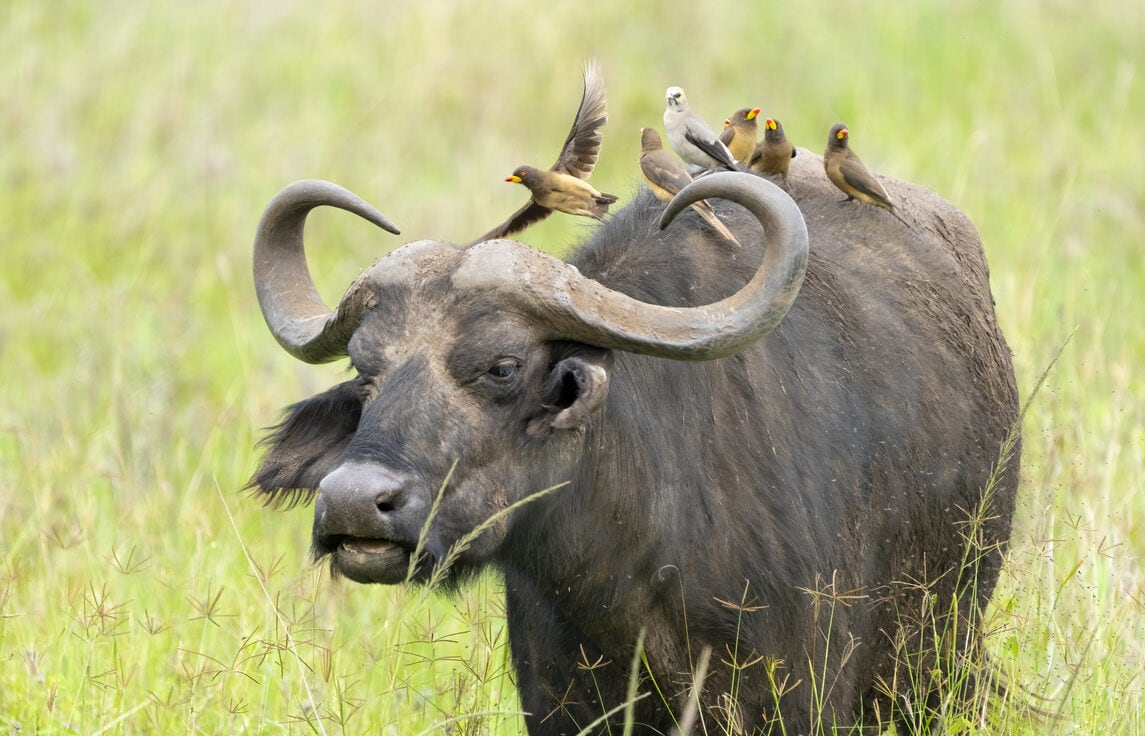
The juxtaposition of the bird and the ox echoes what the spies said a couple of weeks ago when they came back from surveying the land. They said, “
Thus they spread calumnies among the Israelites about the land they had scouted, saying, “The country that we traversed and scouted is one that devours its settlers. All the people that we saw in it are of astonishingly great size;we saw the Nephilim there—the Anakites are part of the Nephilim—and we looked like grasshoppers to ourselves, and so we must have looked to them.” (Numbers 13:32-33)
Both cases uses the language of the menagerie to explore a large size differential. With the spies this spoke of their seeing their own self image as but grasshoppers to these giants. To Balak it is possible that he felt similarly as small as a bird to their herd of oxen. This made him uneasy about his kingship. Maybe it would only last for that moment. But maybe he lacked another perspective of the connection between a bird and an ox.
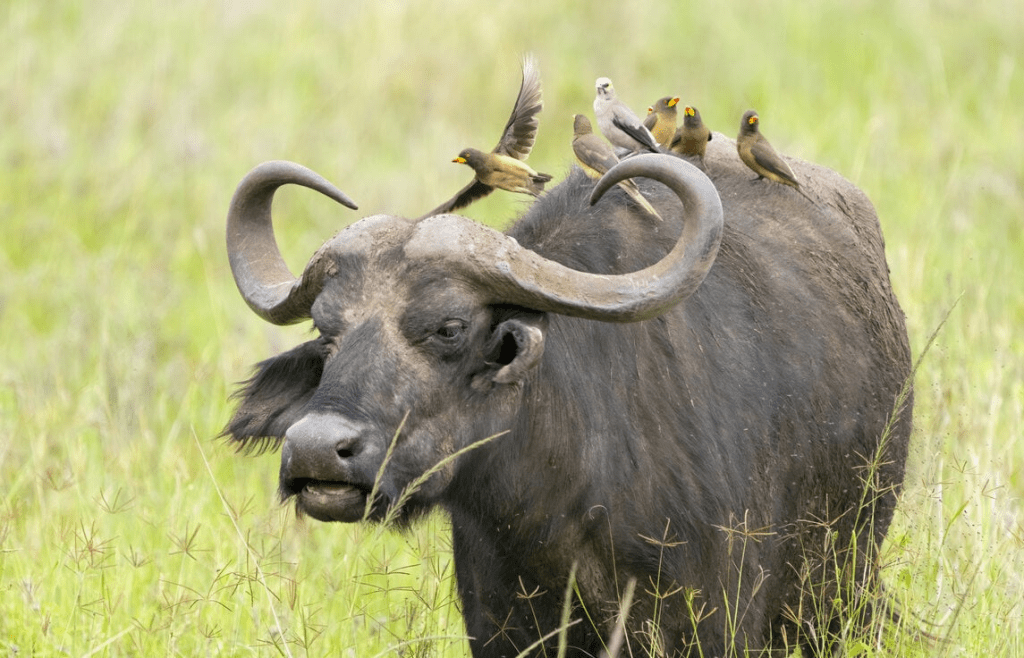
Birds, such as oxpeckers and cattle egrets, ride on water buffaloes to engage in a mutually beneficial symbiotic relationship. The birds use the buffalo as a mobile feeding platform, eating ticks, flies, and parasites off the animal’s hide, while also alerting the buffalo to nearby predators. What Balak missed from his perspective was the potential symbiotic relationship between Moav and the Israelites. Fear clouds our perspective.
Sadly, this is what we are seeing repeating today between Israel and its neighbors. Why do the Arab states need to see their worth in comparison to Israel as opposed to exploring the potential symbiotic relationship they could have in the region? Maybe we need to zoom out to see the potential.


Leave a Reply