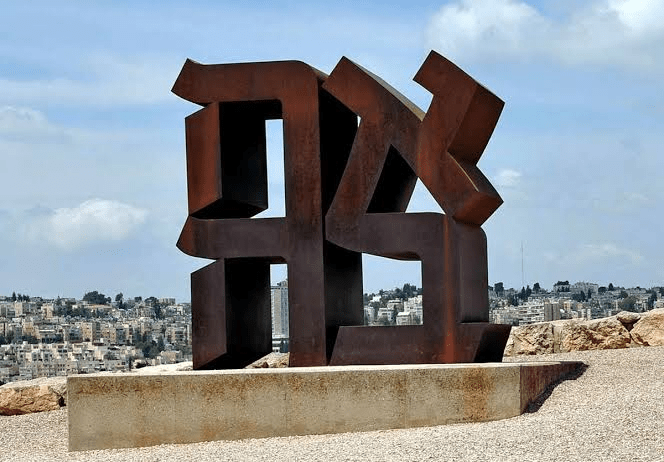
Today is Tu B’Av, one of the least appreciated Jewish Holidays. On the topic of Tu B’Av we learn:
The mishna taught that Rabban Shimon ben Gamliel said: There were no days as happy for the Jewish people as the fifteenth of Av and as Yom Kippur. The Gemara asks: Granted, Yom Kippur is a day of joy because it has the elements of pardon and forgiveness, and moreover, it is the day on which the last pair of tablets were given. However, what is the special joy of the fifteenth of Av? Rav Yehuda said that Shmuel said: This was the day on which the members of different tribes were permitted to enter one another’s tribe, by intermarriage. It was initially prohibited to intermarry between tribes, so as to keep each plot of land within the portion of the tribe that originally inherited it. ( Ta’anit 30b)
Later on we learn that on Tu B’Av the daughters of Jerusalem would go out to dance in the vineyards. In preparation for this dancing every woman wore borrowed white garments so that those from poor families would not feel embarrassed. The women called out to the single men to look for a spouse based on character and God-fearing qualities rather than physical beauty or wealth alone. Out Valentine’s Day holiday is one of love, inclusion, and equality.
I was thinking about these themes last week on Tisha B’Av. It is interesting in the context of Rabban Shimon ben Gamliel’s comment above. Tisha B’Av is like Yom Kippur, the other full 25 hour fast, but stands in contract as the saddest day of the year. During Mincha on Tisha B’Av the Haftarah after Torah reading, which is also the standard Haftarah read on major communal fast days according to Ashkenazic tradition, is taken from Isaiah 55:6–56:8. This section starts with an urgent invitation to turn back to God while the opportunity exists. Then the prophet paints a vivid picture of the exiles returning home to the Land of Israel. And finally the last section transitions into actionable righteousness and an expansive, inclusive vision for the rebuilt Temple. While the day is filled with sadness, here at the end of the Haftarah we are filled with hope. We read about the inclusion of those who keep the Sabbath, foreigners, eunuchs, and anyone who comes to serve God in the Temple. In those being welcomed in are some who we would expect and the outcasts & Non-Jews. The Haftarah climaxes with the iconic phrase: “For My House shall be called a house of prayer for all nations.”
By the afternoon of Tisha B’Av, the character of the day begins to shift. The community transitions from deep, raw mourning toward comfort and repair. This Haftarah reminds the fasters that the goal of mourning and fasting is not despair, but repentance (Teshuvah), ethical behavior, and trust in ultimate redemption. It offers a powerful message that no matter how deep the destruction or exile, God’s door remains open to all who seek God. The insiders and outcasts are all mixed together and loved by God.
Similarly on Tu B’Av we see the daughters of Jerusalem mixing things up echoing this same message that they can find love in a context of inclusion and equality. In this context we might argue for a corollary to Rabban Shimon ben Gamliel’s statement from Ta’anit. Tu B’Av is the nexus of the happiest elements of Yom Kippur and Tisha B’Av.
Thinking about love and inclusion I am reminded of a maxim I remind my kids all the time. Our job at the wedding is to take the people on the side and bring them into the dancing. This lesson is not limited to weddings. It is our job to look out for anyone on the periphery. On Tu B’Av it is important to remember that in being inclusive we share and increase joy in the world.


Leave a Reply